Coworking Space vs. Home Office: An Honest Comparison
The real advantages and drawbacks of each, plus the hybrid approach most freelancers land on and how to work out which setup actually suits your work.
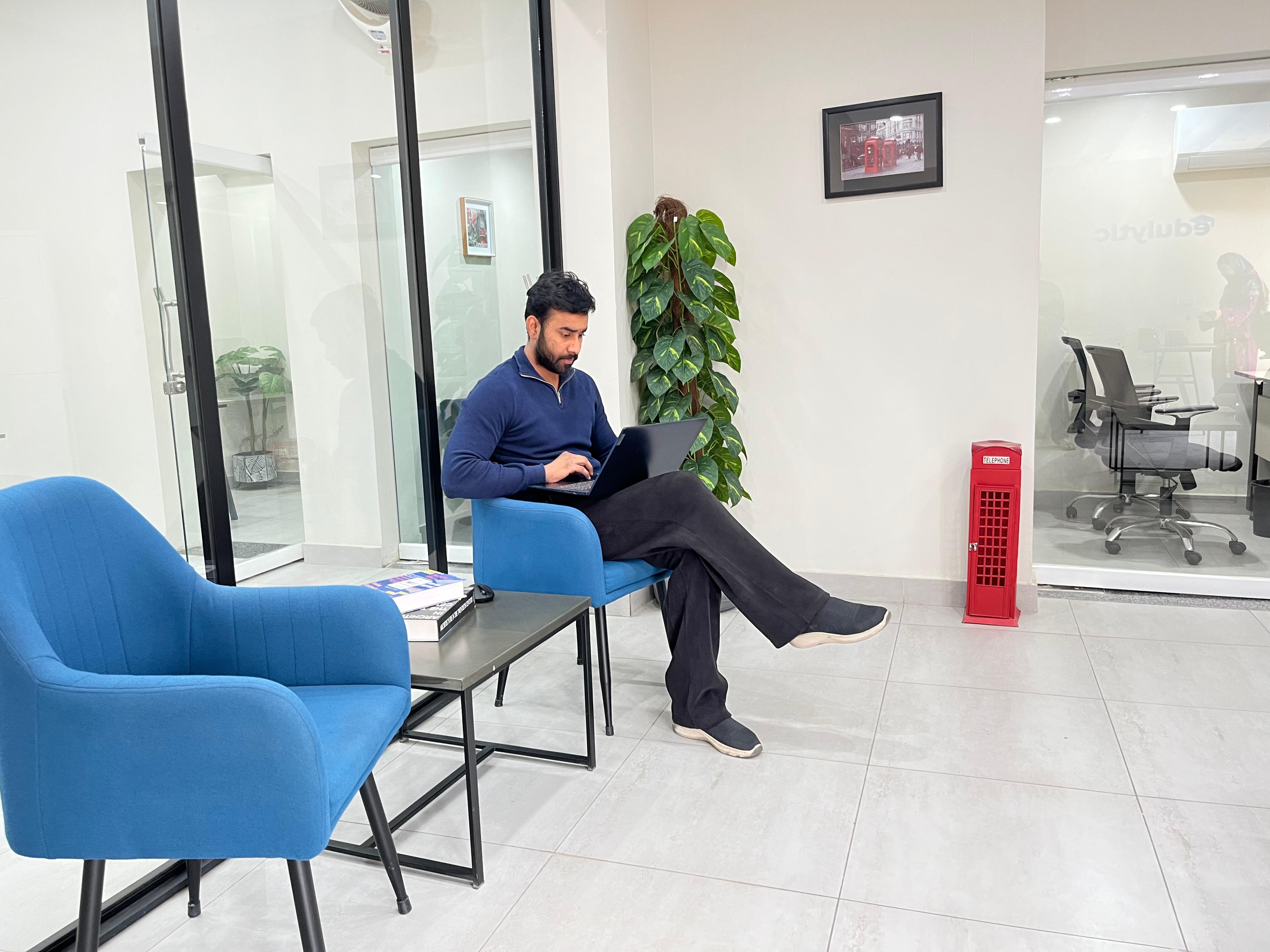
For freelancers, remote workers, and small business owners, where you work is more than a logistical detail—it shapes your focus, your motivation, and even your growth. Working from home is the natural default: it’s free, flexible, and comfortable. But after a few years, many remote professionals start weighing whether a coworking space might serve them better.
There’s no universal answer. The right choice depends on the kind of work you do, your personality, and what you need to perform at your best. Here’s a breakdown of the real pros and cons of each, drawn from the experiences of people who’ve lived both.
Working From Home Pros & Cons
The advantages of working from home
Flexibility and full control of your environment. Working from home means no one else has input on how your space looks, sounds, or feels. You can play music out loud or work in silence, set the thermostat where you like it, and adjust the lighting to suit you. That level of control over your environment is a significant perk that office settings rarely allow.
Cost savings. Beyond a slight bump in utilities, working from home carries few extra expenses. There’s less temptation to spend on lunches out or happy hours, and no need to invest in professional attire—you can dress however you like, from pajamas to a suit.
Your space, your way. From a standing desk to your preferred gadgets and decor, a home office can be customized exactly to your taste without needing anyone’s approval or conforming to a uniform office standard.
Fewer interruptions. Home eliminates a lot of standard office distractions: coworker chatter, people stopping by your desk, and the constant movement of an open workspace. For people who need quiet blocks of deep focus, this can be a major advantage.
The drawbacks of working from home
Isolation and loneliness. This is the most commonly cited downside. Working alone can lead to feelings of disconnection from colleagues and the professional world. How much this matters depends heavily on personality—introverts may barely notice it, while extroverts who thrive on interaction can find prolonged remote work genuinely draining.
Home distractions. The same quiet that helps focus can work against you. Household chores, family members, a significant other, or the pull of television all compete for your attention in ways they wouldn’t in a dedicated workspace.
Lack of structure. Without a designated work environment, it can be harder to establish boundaries and maintain a healthy work-life balance. Some people thrive in this freedom; others struggle without external structure.
Monotony. Even committed remote workers report that home can start to feel like a grind, with every day blending into the next and a recurring itch for a change of scenery.
Pros & Cons of Coworking Space
The advantages of a coworking space
A dedicated, professional space. Having a separate place “for work” can be a powerful psychological boost. One small business owner credited a notable year-over-year revenue jump partly to the mental effect of having a professional studio to show up to each day—a tangible investment in himself that translated into better results.
A stimulating environment. Being surrounded by other people who are focused and working tends to pull you into the same mindset. It can boost productivity, and because you typically come in for a finite window of time, you’re more likely to stay efficient rather than letting work sprawl across the whole day.
Networking and connection. Coworking spaces bring together a mix of entrepreneurs, companies, and professionals from different fields. You never know who you might meet—a casual conversation can turn into a business opportunity or a long-term collaborator. These are connections that simply don’t happen when you work alone at home.
Getting out of the house. There’s research-backed reasoning here too. NYU marketing professor Scott Galloway has argued that one of the strongest correlations with success for young professionals is how much time they spend outside the home—engaging with the world rather than staying in. A coworking space provides a built-in reason to get out, which can deliver an extra jolt of daily motivation for anyone feeling stuck.
The drawbacks of a coworking space
Cost. The most obvious downside is the recurring monthly expense for something you could technically do at home for free. For cost-conscious owners, the hesitation is usually less about affordability and more about whether the spend is truly necessary.
Its own set of distractions. Coworking spaces aren’t distraction-free. People may want to talk or ask questions, especially inconvenient when you’re on a deadline. There’s noise from foot traffic, deliveries, and people heading into meetings.
Phone and video call noise. Open layouts often have only a handful of private phone booths, so calls and Zoom meetings create a constant hum of voices. For anyone who finds it hard to concentrate amid competing sounds, this can be a real problem.
No control over the environment. Coworking spaces are often kept cool to maintain a crisp office feel, and lighting may be dimmer than you’d prefer. If you run cold or like a bright space, you may need to plan around it—bringing a sweater, for instance.
Making it work: a hybrid approach
Many people don’t treat this as an either-or decision. One practical strategy is to use the coworking space selectively—coming in on days without meetings, or with meetings that can be taken on the go—and working from home the rest of the time. Even the commute, often seen as a con, has an upside: it forces you to leave the house and mentally separate work from home.
Used this way, the two settings complement each other. The office provides focus, energy, and connection, while home becomes a more relaxing change of pace rather than the place where every single day plays out.
So which is right for you?
The honest answer is that it depends on you. If you’re consistently productive, content, and energized at home, the cost of a coworking space may be hard to justify—plenty of people work remotely for years and wouldn’t trade it for anything. But if you’re feeling isolated, monotonous, or stuck, a coworking space can offer the structure, stimulation, and connections that are difficult to put a price on.
Consider the nature of your work, your office-culture needs, and your personality—introvert or extrovert, self-structured or externally motivated. The best workspace isn’t the one that works for everyone; it’s the one that works for you.
For the Multan-specific costs — generator, UPS batteries, backup data and cooling versus a desk — see our guide to working through load shedding. If you’d rather just try it, a day pass is PKR 1,000.