How to Choose the Right Office Space for Your Business
When to start the search, how to weigh location and commute, sizing for growth rather than headcount, and budgeting for the full lease term instead of year one.
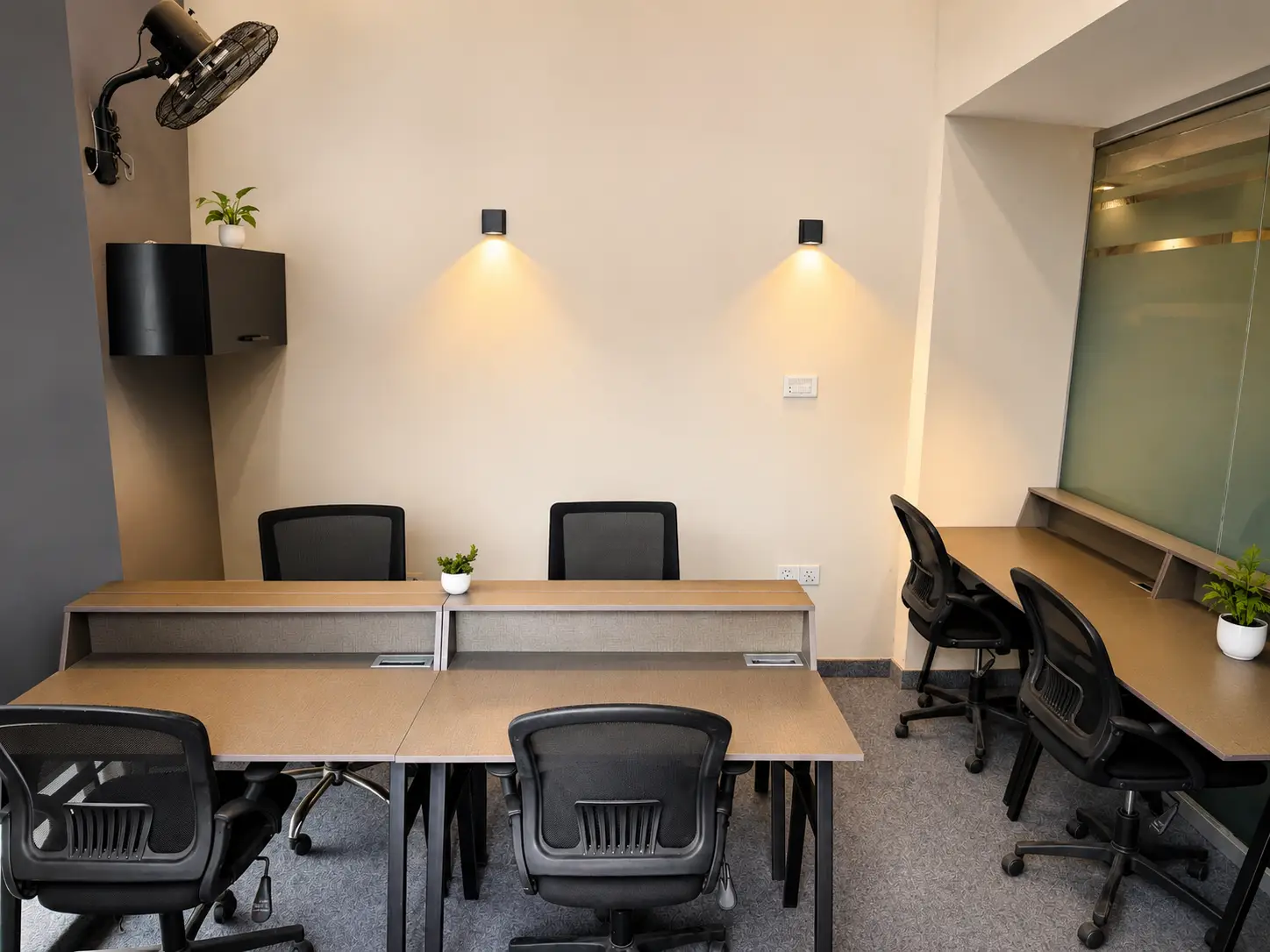
Searching for office space is a major undertaking, whether it’s a first-time hunt or a full company relocation. The decisions made during this process affect your budget, daily operations, and even hiring and retention for years to come. The good news is that a well-organised approach turns an overwhelming task into a manageable one. This guide covers the key considerations and steps for finding the right office space for your company.
Start your office space search early
One of the most common mistakes businesses make is waiting too long to begin. Ideally, your office space search should start six months to a year before your current lease ends.
Touring sites, negotiating lease terms, physically moving equipment, and handling other logistics all take time. Leaving these tasks to the last minute forces rushed decisions without proper due diligence, disrupts day-to-day operations, and adds stress to an already demanding situation. Getting a head start helps you avoid these problems entirely.
How to choose the best office location
Office location is closely tied to employee retention and recruitment, so it deserves careful thought.
Consider commute and transportation access
Think about where most of your team commutes from and how close the office needs to be to public transport. A convenient location makes a real difference to daily employee satisfaction and can directly affect your ability to attract and keep talent.
Factor in clients, amenities, and parking
Consider whether your business needs to be close to key clients or other companies, and whether a central commercial setting or a quieter suburban location is the better fit. Don’t overlook everyday practicalities such as nearby food options and parking availability, since these details shape how both employees and visitors experience your office.
Determine your office space requirements
Working out how much office space you need goes beyond counting your current employees.
Plan for future growth
A smart space plan accounts for where your company will be in two, four, or five years. Outgrowing your office too quickly is one of the worst outcomes, forcing another costly move sooner than necessary. Build your future headcount into the decision from the start.
Map out your office configuration
Configuration matters just as much as total floor area. Think through how many private offices you need, how many people will work in open areas, and how many conference rooms are required, along with the seating capacity for each. Businesses with specialised needs like storage areas or a loading bay should factor those in as well.
Set a realistic office space budget
Your office space budget should reflect not just the first year but the full term of the lease. Beyond base rent, costs include pass-through charges such as utilities, common area maintenance fees, insurance, and property taxes. Many leases also include annual escalations that increase costs over time. Mapping out projected lease payments across the entire term means there are no surprises down the road.
The option most small businesses should price first
Everything above assumes you’re signing a lease. For a team under about ten people, that assumption is worth testing before you commit.
A serviced private office folds rent, electricity, generator backup, internet, cleaning, reception and meeting room access into a single monthly invoice — with no security deposit, no fit-out cost, and no multi-year commitment. You move in furnished and work the same day.
The comparison usually surprises people. By the time a small team has paid a deposit, bought furniture, installed a UPS and generator, arranged an internet line with no failover, and hired someone to manage the place, the monthly outflow tends to land in similar territory — except the lease is signed and the capital is spent.
If you’re weighing that trade-off, dedicated desk vs private office breaks it down with current Multan pricing, and a day pass lets you test a space for a day before deciding anything.
Frequently asked questions
How early should I start looking for office space?
Six months to a year before your current lease ends. Touring sites, negotiating terms and physically moving all take time, and a rushed search means signing without proper due diligence.
How much office space do I actually need?
Base it on where your headcount will be in two to five years, not where it is today. Then work out the configuration separately: how many private offices, how many open-plan seats, how many meeting rooms and what each needs to hold.
What costs should an office budget include beyond rent?
Utilities, common area maintenance, insurance and property taxes, plus any annual escalation clauses written into the lease. Budget across the full term rather than the first year, or the later years will surprise you.
Is a coworking space an alternative to leasing an office?
For teams under roughly ten people it usually is. A serviced private office covers rent, power backup, internet, cleaning and reception in one monthly invoice with no deposit or multi-year lease, which removes most of the risk from the decision.